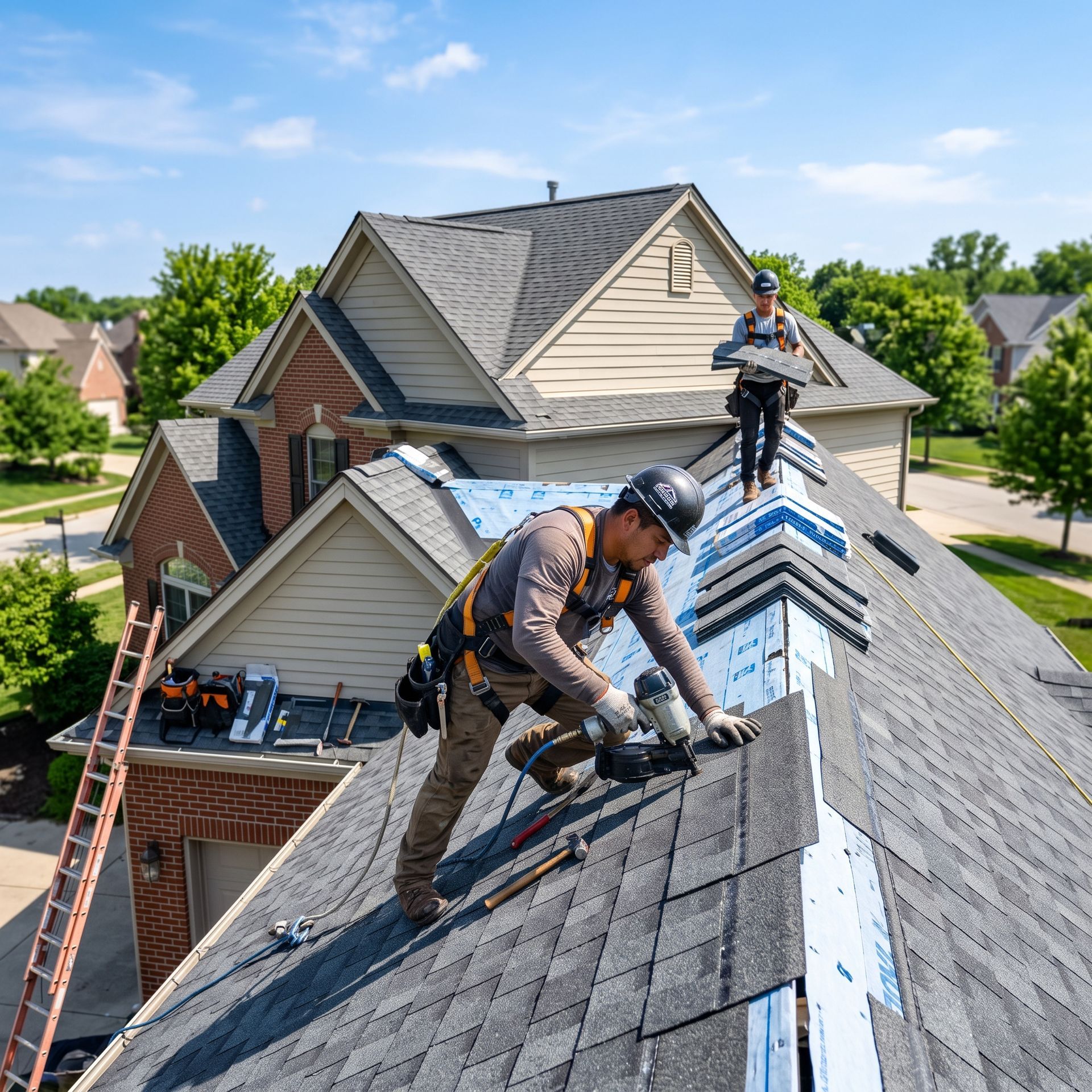
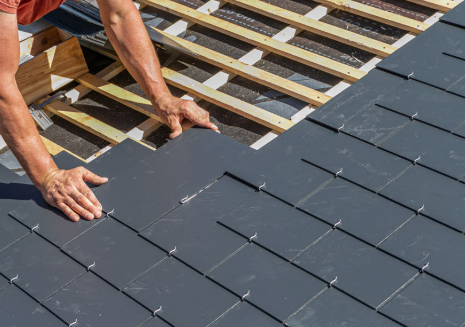
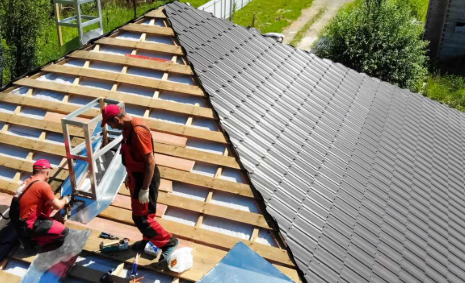
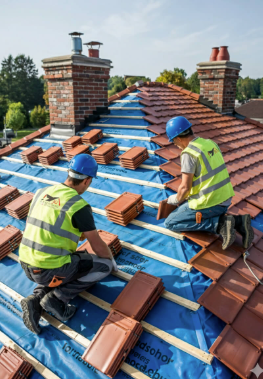
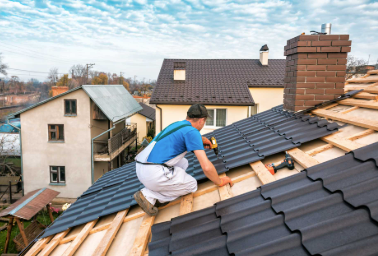
Materials significantly affect cost, particularly for full replacement. Standard asphalt shingles represent the more affordable end of residential roofing materials, while impact-resistant architectural shingles cost more upfront but offer better durability and often qualify for insurance discounts given their resistance to hail damage. Metal roofing costs considerably more than asphalt shingles, reflecting both material cost and the specialized installation it requires.
For roof repair specifically, the extent of damage is the primary cost driver. A small, isolated repair addressing a handful of damaged shingles or a single flashing issue costs considerably less than repairs addressing more widespread damage across multiple areas of the roof.
Roof complexity affects both repair and replacement cost. A roof with multiple valleys, dormers, chimneys, skylights, or other features requires more flashing work and more careful installation around these transition points compared to a simple, straightforward roof design, and this complexity adds to both material and labor cost.
Labor and accessibility also factor into pricing. A roof that's difficult to access, whether due to steep pitch, height, or surrounding property obstacles, takes more time and sometimes additional equipment to work on safely, which affects overall project cost.
For storm damage repair specifically, insurance often covers a significant portion of the cost when damage is documented and the claim is approved, and we can help provide documentation to support that process, though the specific coverage and deductible depend on your individual insurance policy.
We provide detailed, written estimates after a thorough roof inspection, since roofing costs genuinely depend on these property-specific factors rather than a flat per-square-foot rate that doesn't account for the realities of your particular roof.
Contact us for an inspection and an honest, detailed estimate specific to your property and project.